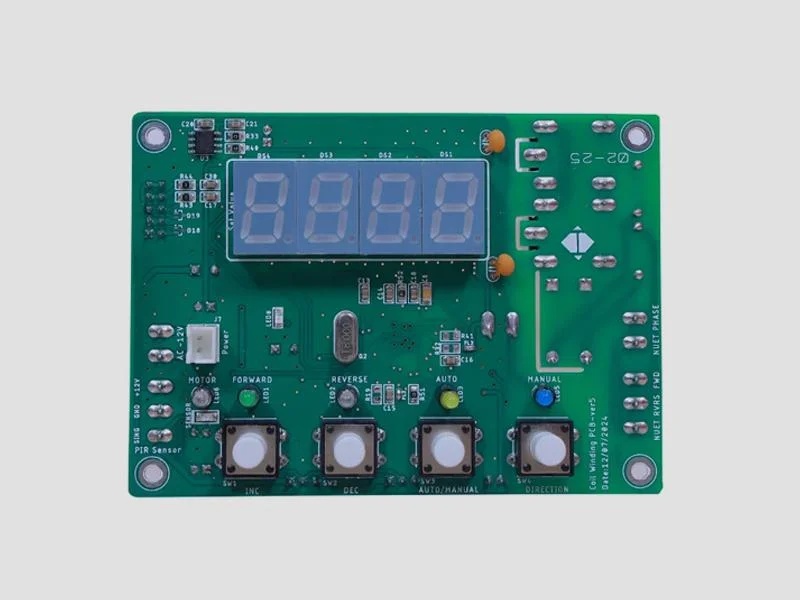
The primary goal of rapid prototyping is to speed up the process of product development while ensuring that the end product meets the design specifications
Rapid prototyping refers to a group of techniques used in the early stages of product design to quickly fabricate a model or prototype of a product using computer-aided design (CAD) data. The goal of rapid prototyping is to expedite the product development process by producing a tangible model that can be used for testing, validating concepts, and evaluating designs. There are several prototyping methods, including 3D printing (additive manufacturing), CNC machining, and injection molding, each of which offers unique advantages in terms of speed, material options, and cost. 3D printing, for example, allows for fast production of complex geometries directly from CAD files without the need for tooling. CNC machining, on the other hand, is often used for creating prototypes from solid blocks of material, providing higher accuracy and a better finish. Injection molding is typically used for producing high-quality prototypes for plastic parts, but it involves more setup time and cost.
3D PrintingLayer thickness ranges from 0.1mm to 0.5mm
Injection MoldingTolerance of ±0.1mm
3D Printing: Varies with material; for example, PLA tensile strength of 50-70 MPa
Laser CuttingTolerance of ±0.2mm
Injection Molding±0.1mm to ±0.2mm
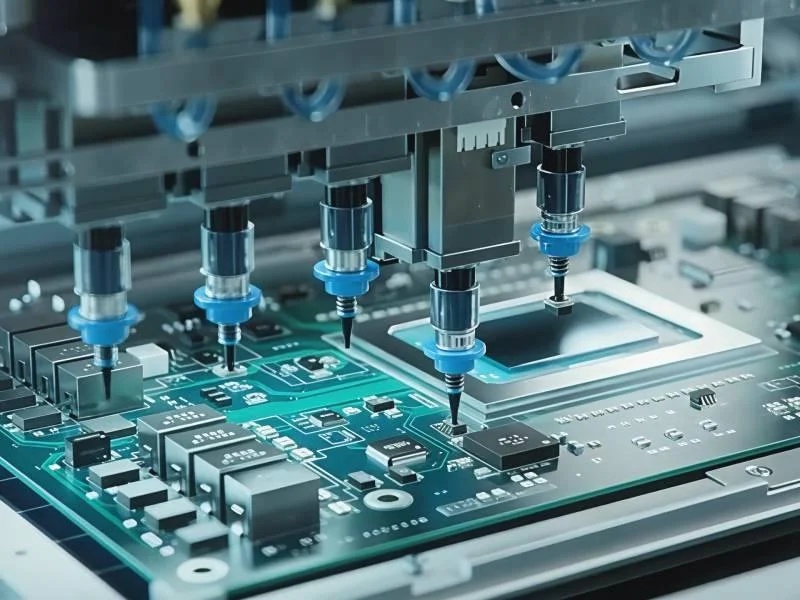
PCB Assembly is a critical manufacturing process in which electronic components are mounted onto a printed circuit board (PCB) to create functional electronic products.
PCB Assembly is the process of mounting electronic components onto a printed circuit board to create a fully operational electronic system. It is a crucial stage of electronics manufacturing that transforms a bare PCB into a functional assembly ready for integration into final products. PCB assembly is widely used in industries such as consumer electronics, automotive, medical devices, industrial automation, telecommunications, and aerospace. There are three main types of PCB assembly techniques: Surface Mount Technology (SMT), Through-Hole Technology (THT), and mixed assembly. SMT involves placing small, lightweight components directly on the surface of the PCB using automated pick-and-place machines. These components are then soldered using reflow soldering for secure electrical connections. SMT is highly efficient and supports high-density circuit designs.
Cash,Cheque,Demand Draft,UPI, NEFT
Key Attributes
Minimum Component Size01005
Pcb Thickness Range0.4 mm – 3.2 mm
Max Pcb Size510 mm × 460 mm
Placement Accuracy±0.025 mm
SMT LinesFully Automated
Through-Hole SupportYes
Soldering MethodReflow & Wave
InspectionAOI & X-ray
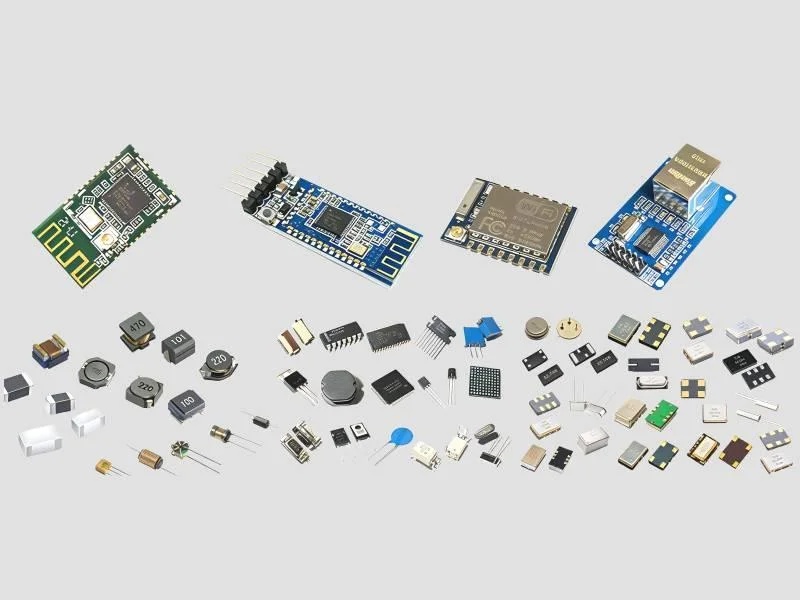
Component sourcing is the strategic process of identifying, evaluating, procuring, and managing electronic and mechanical components required for manufacturing and production.
Component sourcing is a critical supply chain function that involves procuring electronic, electrical, and mechanical components required for product manufacturing. It ensures that the right components are available at the right time, in the right quantity, and at the optimal cost. This process directly influences production continuity, product quality, and overall operational efficiency. The component sourcing lifecycle begins with precise BOM evaluation, where part numbers, specifications, compliance requirements, and substitute options are analyzed. Supplier identification follows, involving OEMs, authorized distributors, and specialized aftermarket vendors. Each supplier is evaluated based on delivery performance, certification status, financial stability, and historical quality data. Supplier qualification ensures that only trusted partners are onboarded into the procurement ecosystem.
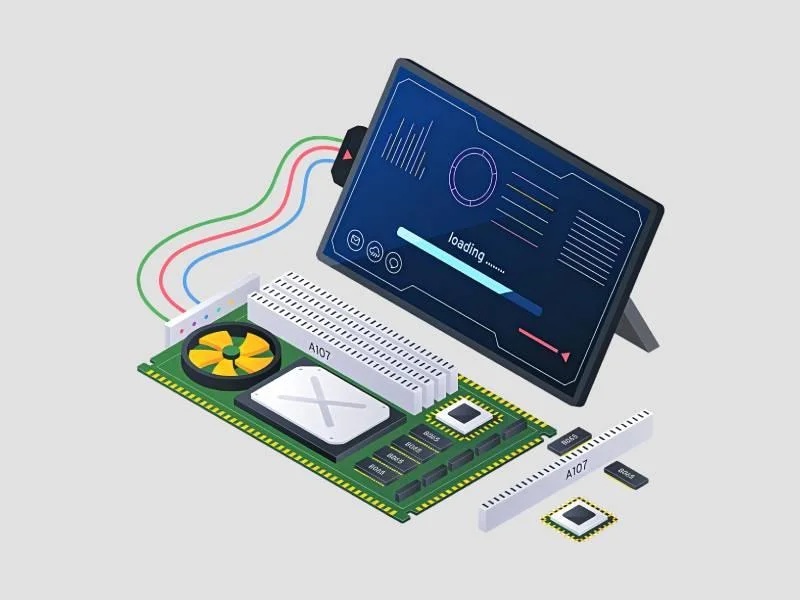
Electronics firmware development is an essential aspect of designing and programming embedded systems. It involves writing the software that enables hardware components to perform specific tasks.
Electronics firmware development involves creating the low-level software that controls hardware in embedded systems. The firmware is programmed directly onto a microcontroller or microprocessor, enabling devices to function. This firmware is written in languages like C, C++, or assembly and may include drivers for hardware peripherals such as sensors, actuators, and communication modules. Typical embedded systems run on microcontrollers, which vary in complexity from simple 8-bit processors to sophisticated 32-bit processors. Real-time operating systems (RTOS) are often used to ensure timely execution of tasks, but some systems may operate without an OS, using a bare-metal approach.
Cash,Cheque,Demand Draft,UPI, NEFT
Key Attributes
Microcontroller Family:ARM Cortex-M4, ARM Cortex-M7, PIC32, AVR ATmega328, STM32F4
Clock Speed16 MHz, 48 MHz, 100 MHz, 1 GHz
Flash Memory32 KB, 64 KB, 128 KB, 1 MB
Operating Voltage1.8V – 3.6V
Power Consumption10 mA, 100 mA, 500 mA (depending on operating mode)
External InterruptAvailable on pins (e.g., INT0, INT1)
Secure BootEnabled/Disabled
Power ModesActive Mode, Sleep Mode, Deep Sleep Mode