Products
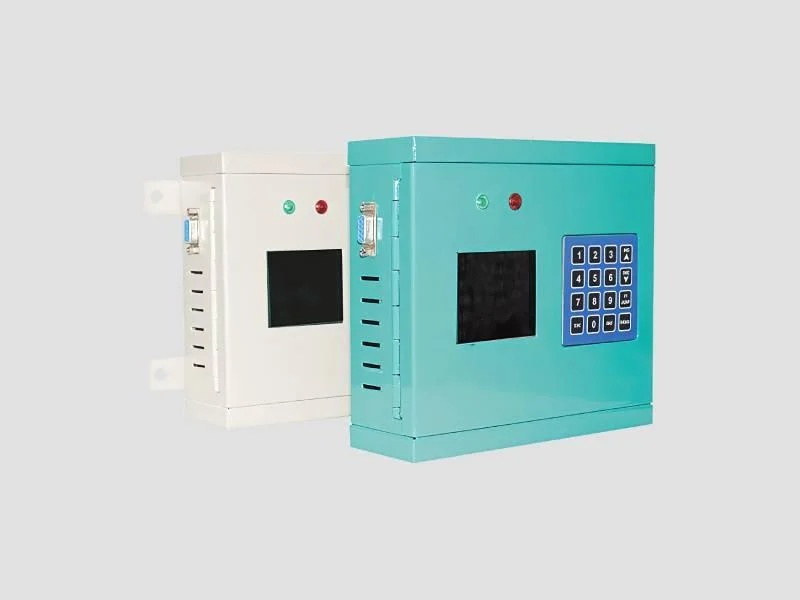
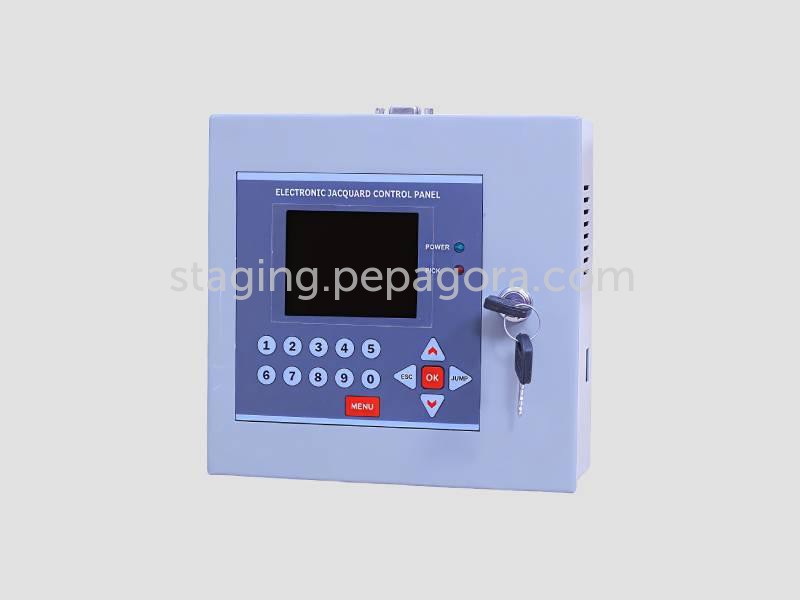
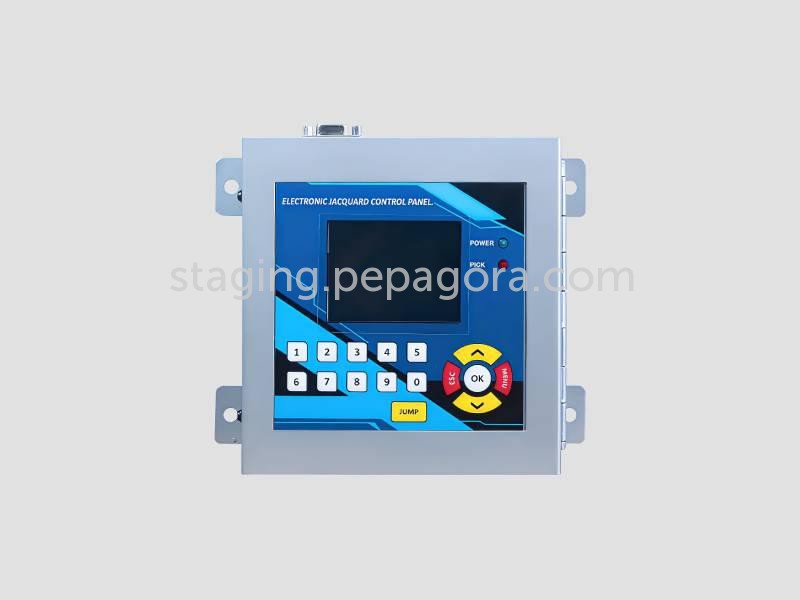
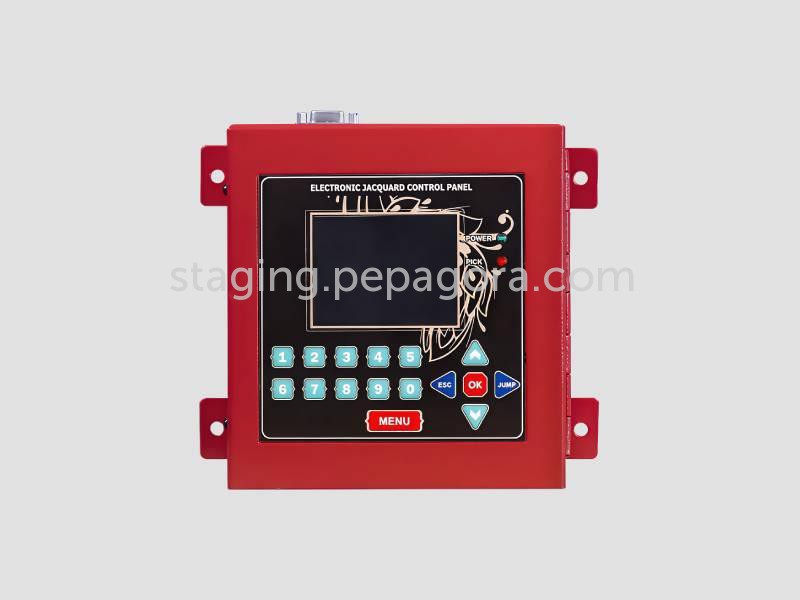
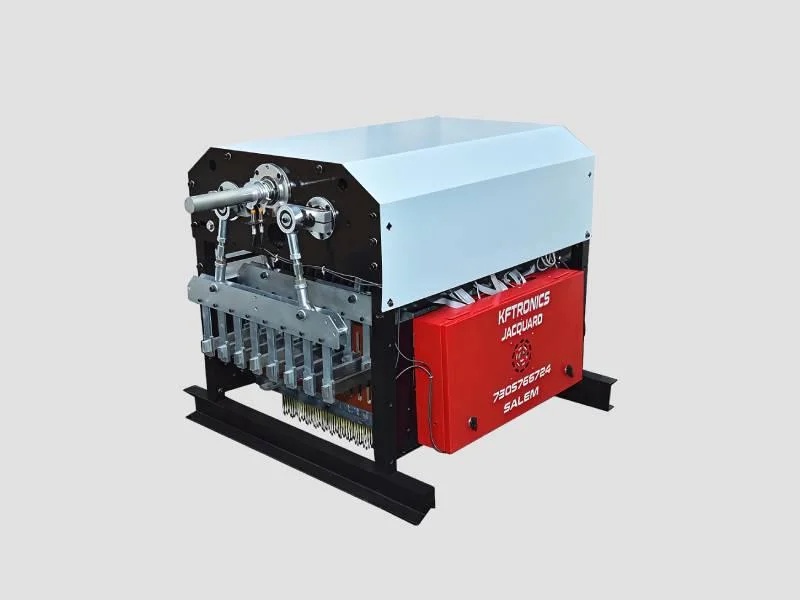
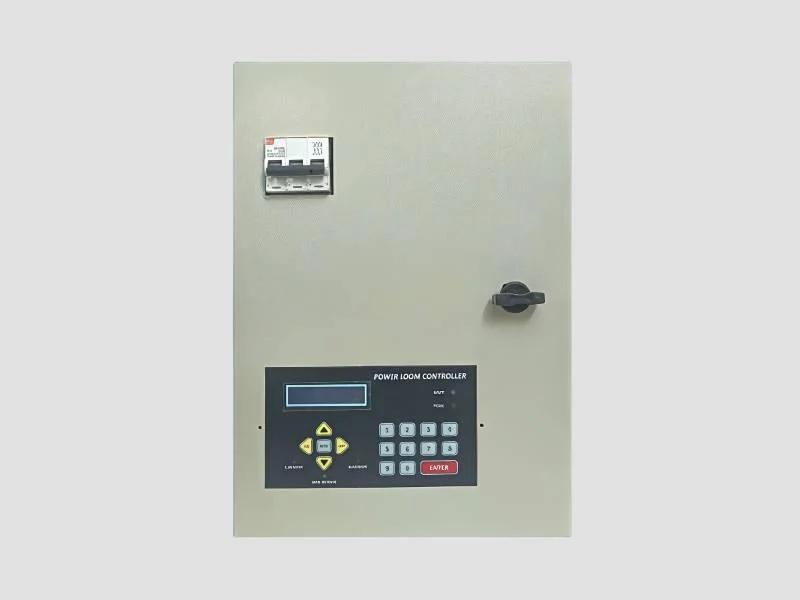
The Electronic Jacquard Controller Control Box is a critical automation component designed to deliver precise pattern control and stable performance in modern weaving operations.
Engineered with advanced electronic processing technology, the controller ensures seamless synchronization, enabling weavers to produce complex designs with high consistency and speed. Its intelligent fault detection system protects the equipment from electrical fluctuations, overloads, and operational errors, thereby reducing downtime and increasing productivity. The robust enclosure of the control box is designed to withstand harsh factory environments such as dust, vibration, and heat. Its intuitive interface allows operators to easily manage pattern settings, monitor operations, and troubleshoot issues without extensive technical training.
Cash,Cheque,Demand Draft,UPI, NEFT
Key Attributes
- Signal Processing Speed High-speed real-time processing up to 1 MHz
- Enclosure Type Heavy-duty powder-coated steel enclosure
- Display Interface 7-inch color TFT LCD display
- Pattern Storage Capacity Supports up to 10,000 complex patterns
- Synchronization Accuracy ±0.01 mm loom synchronization precision
- Power Consumption Less than 120 Watts during peak operation
- Protection System Built-in overvoltage, short-circuit, and overload protection
- Data Transmission High-speed RS485 and Ethernet communication
- Installation Type Wall-mounted and panel-mounted support
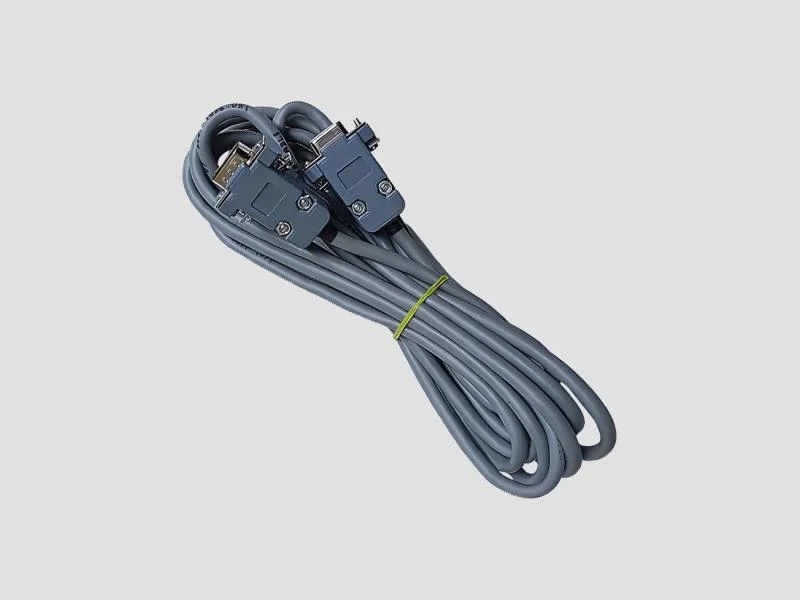
A data cable is a fundamental connectivity component used to transmit digital signals between electronic devices. It plays a critical role in modern communication systems.
A data cable is a fundamental connectivity component used to transmit digital signals between electronic devices. It plays a critical role in modern communication systems, enabling the seamless transfer of data in both personal and industrial applications. Designed to ensure signal stability and minimal loss, data cables are engineered with precision using multiple layers of conductors, insulation, shielding, and protective jackets. The core purpose of a data cable is to carry information in binary formones and zeros—between two points with speed and reliability. Depending on its construction, a data cable can support various data protocols and transmission speeds. Shielding layers protect the signal from electromagnetic interference, ensuring consistent data flow even in electrically noisy environments. The outer jacket protects the internal structure from physical damage, heat, and environmental exposure.
Cash,Cheque,Demand Draft,UPI, NEFT
Key Attributes
- Conductor Material Annealed bare copper
- Conductor Size 24 AWG
- Core Configuration 4 twisted pairs (8 cores)
- Insulation Material High-density polyethylene
- Shielding Structure Aluminum foil with braided copper shield
- Outer Jacket Material PVC
- Jacket Color Grey
- Cable Category Cat6
- Bandwidth Capacity 250 MHz
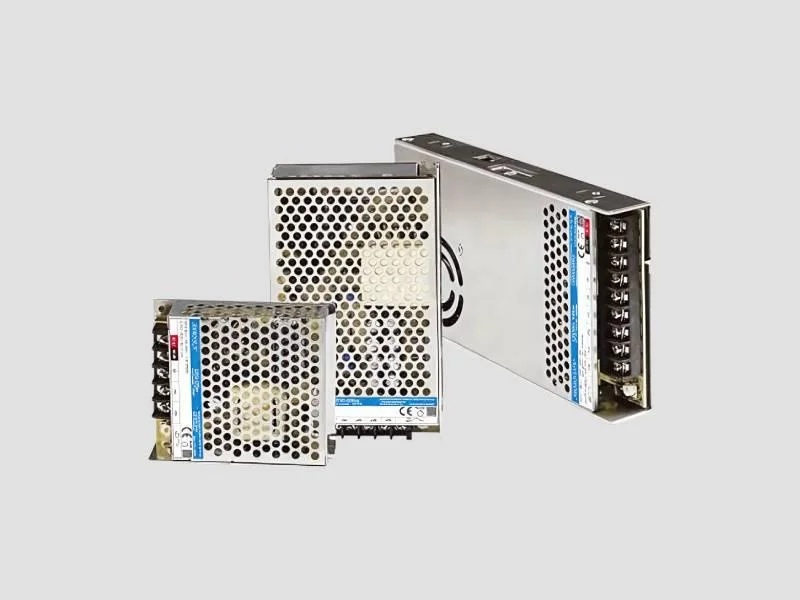
A Switched Mode Power Supply (SMPS) is an advanced electronic power supply that efficiently converts electrical power using high-frequency switching technology.
Internally, an SMPS consists of four key stages: rectification, high-frequency switching, voltage transformation, and output regulation. The output voltage is controlled through feedback circuits that maintain consistent performance and system safety. Integrated protection circuits safeguard the device from over-voltage, over-current, short-circuit, and thermal faults. SMPS units support multiple output voltages, enabling one power source to feed multiple electronic components. Their compact size makes them ideal for modern electronic applications where space and energy efficiency are critical. Today, SMPS technology is widely used across consumer electronics, industrial automation, telecommunications, medical devices, and renewable energy systems.
Cash,Cheque,Demand Draft,UPI, NEFT
Key Attributes
- Input Voltage 90–264 V AC
- Output Voltage 5 V / 12 V / 24 V DC
- Output Current 2 A to 20 A
- Power Rating 10 W to 1000 W
- Efficiency 85%–95%
- Switching Frequency 50 kHz to 200 kHz
- Voltage Regulation ±1%
- Ripple & Noise <100 mVp-p
- Protection Over-voltage, over-current, short circuit
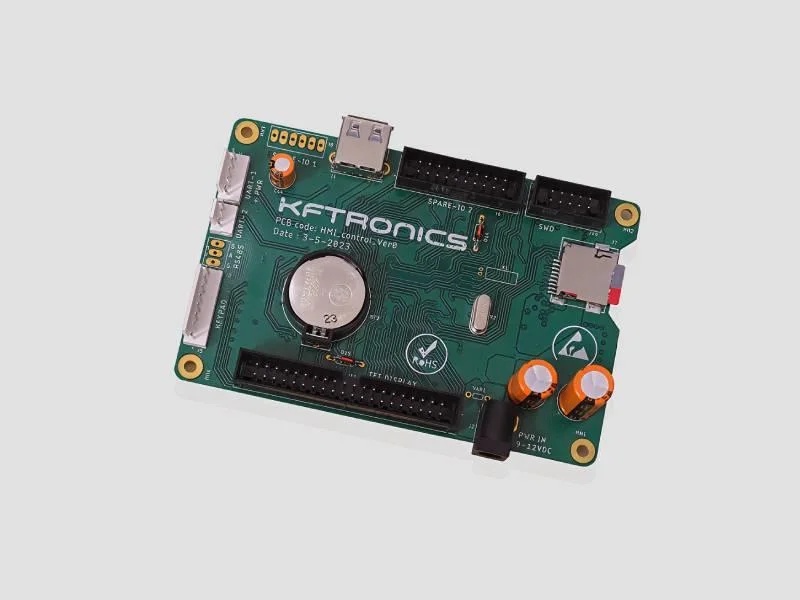
An HMI (Human Machine Interface) Controller is a critical component in modern industrial automation systems, serving as the visual and control interface between machines and operators.
HMI controllers are widely used in manufacturing plants, packaging lines, textile machinery, power systems, and process industries. They allow users to start or stop machines, adjust parameters, view alarms, and track production performance. With support for multiple industrial communication protocols, HMI controllers seamlessly integrate with PLCs, drives, sensors, and SCADA systems. Modern HMI controllers support advanced features such as multi-touch operation, data logging, alarm management, recipe handling, and remote access through Ethernet or cloud platforms. Their rugged design ensures reliable performance in harsh industrial environments involving dust, vibration, and temperature fluctuations.
Cash,Cheque,Demand Draft,UPI, NEFT
Key Attributes
- Touch technology Capacitive or resistive
- Processor type Industrial-grade CPU
- Memory Flash and RAM supported
- Protocols supported Modbus, TCP/IP, OPC
- Power supply AC/DC compatible
- Operating temperature Industrial range
- Mounting type Panel mount
- Protection rating IP-rated front panel
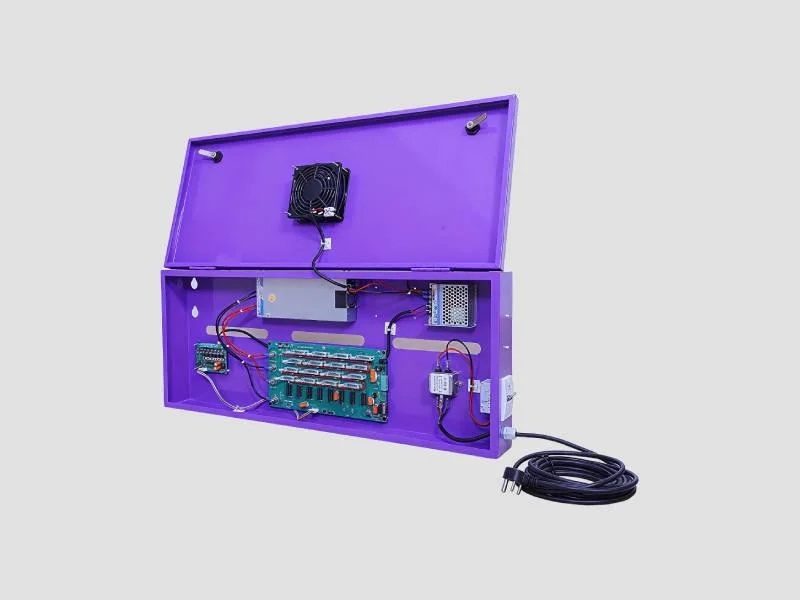
A Power Panel Box is a critical electrical distribution unit designed to safely receive, control, and distribute electrical power to various loads within an industrial, commercial, or infrastructure environment
A Power Panel Box is an essential electrical system component used for controlled distribution of electric power across multiple electrical loads. It functions as the heart of any electrical network, ensuring safe power routing, circuit protection, and operational reliability. It receives power from the main supply and distributes it efficiently to different machines, sub-panels, or equipment while protecting them from electrical hazards.The internal construction of a power panel box includes primary protective devices such as MCCBs, MCBs, ELCBs, contactors, relays, busbars, control wiring, and indicating instruments. Each component plays a vital role in maintaining electrical stability. The busbar system enables uniform current distribution, while circuit breakers provide quick isolation during overloads, short circuits, or earth faults.
Cash,Cheque,Demand Draft,UPI, NEFT
Key Attributes
- Rated Operating Voltage 415 V AC
- Frequency 50 Hz
- Current Rating Up to 1600 A
- Short Circuit Withstand Capacity 50 kA
- Enclosure Material CRCA sheet steel
- Enclosure Thickness 1.6 mm
- Ingress Protection Rating IP55
- Mounting Type Floor-mounted / Wall-mounted
- Number of Outgoing Feeders Up to 24
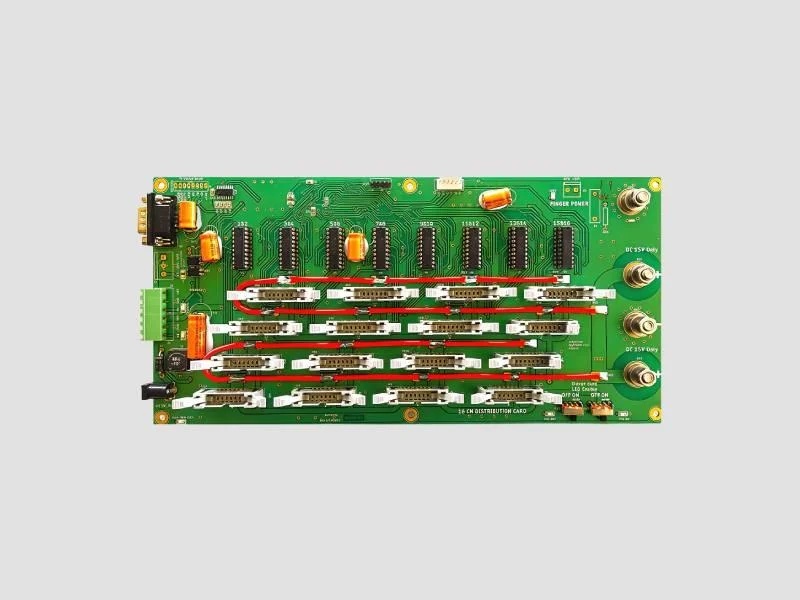
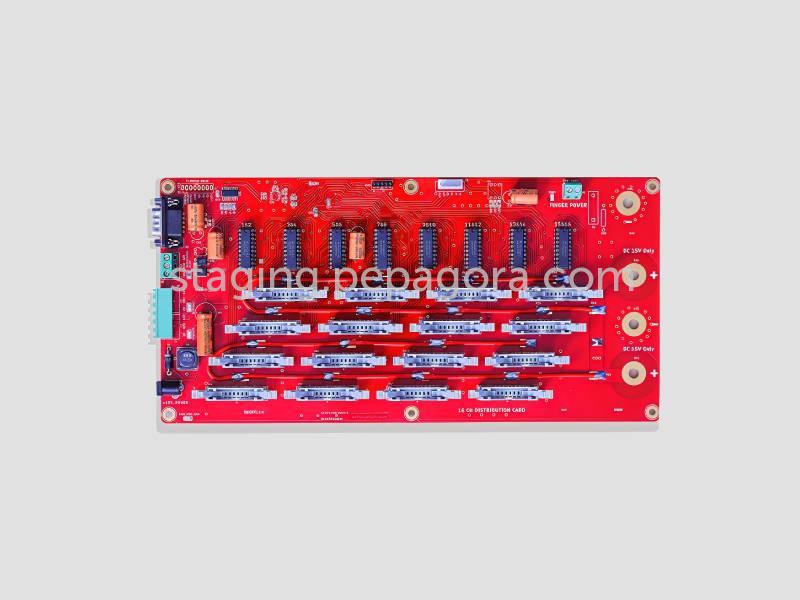
A Distribution Board (DB) is a fundamental component of any electrical system, responsible for receiving power from the main supply and distributing it safely to multiple circuits.
Distribution boards are widely used across residential buildings, commercial complexes, industrial plants, hospitals, educational institutions, and infrastructure projects. Each application may require a specific configuration based on power load, safety requirements, and system complexity. The enclosure design is engineered to provide mechanical strength, insulation, fire resistance, and environmental protection against dust and moisture. Modern distribution boards are designed with modularity in mind. This allows electricians to expand circuit capacity and integrate additional protective devices without replacing the entire board. Proper labeling, systematic wiring layouts, and standardized components improve installation efficiency and maintenance safety.
Cash,Cheque,Demand Draft,UPI, NEFT
Key Attributes
- Mounting Type Surface mount / Flush mount
- Frequency 50Hz
- Short Circuit Withstand Capacity 10 kA
- Protection Devices Supported MCB, MCCB, RCCB, SPD
- Internal Wiring Arrangement DIN rail mounted
- Busbar Material Specification Electrolytic grade copper
- Degree of Protection IP30–IP65
- Mounting Orientation Vertical
- Cable Entry Provision Top & Bottom knockouts
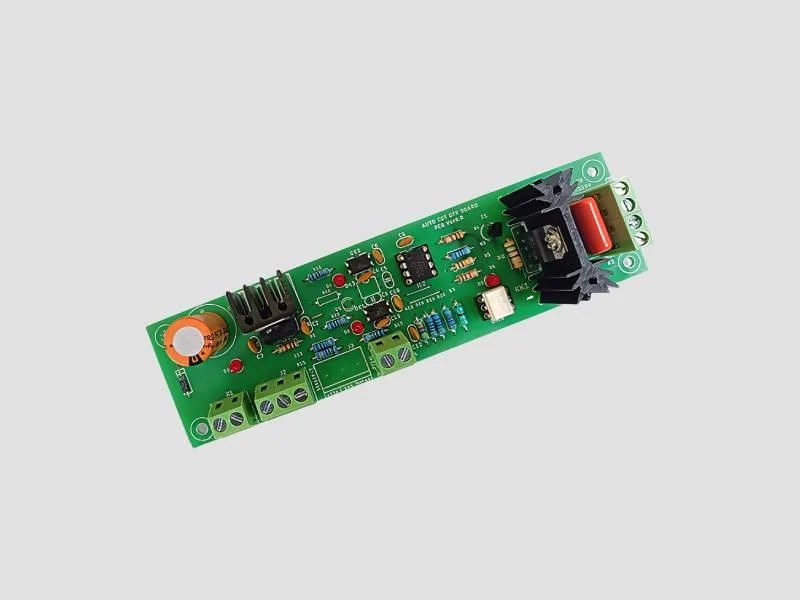
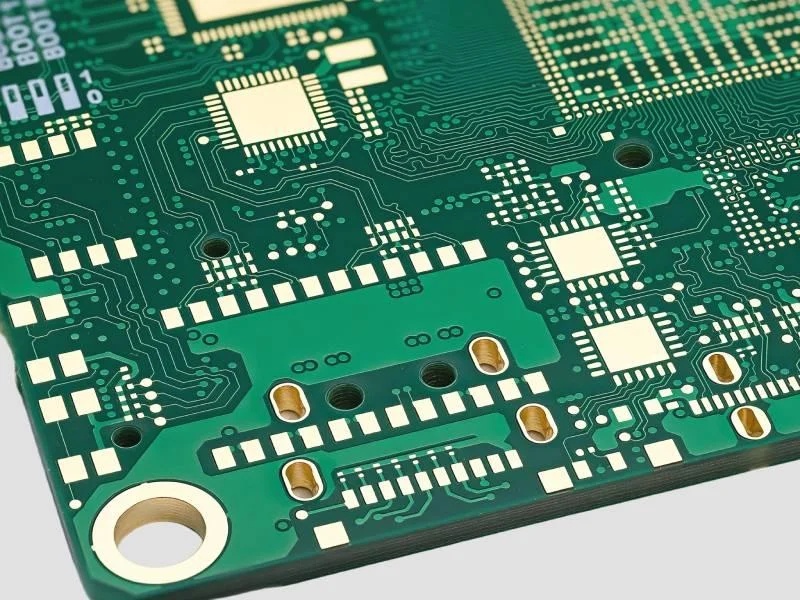
An Auto Cutoff Board is an intelligent electrical protection module designed to automatically disconnect power to a system when unsafe electrical conditions occur
This board is widely used in industrial machinery, control panels, power distribution systems, and automation equipment. Its fast response time ensures that sensitive electronic components remain protected from sudden voltage spikes or drops. The compact design allows easy integration within existing electrical enclosures, making it suitable for both new installations and system upgrades. The relay-based switching mechanism provides reliable isolation of power during fault conditions, while indicator LEDs offer real-time visual status of normal operation or trip conditions. The board supports continuous operation in demanding industrial environments due to its robust PCB construction and wide operating temperature range
Cash,Cheque,Demand Draft,UPI, NEFT
Key Attributes
- Input Voltage AC 180–260 V
- Operating Frequency 50/60 Hz
- Cutoff Response Time < 1 second
- Load Capacity Up to 10 A
- Control Type Automatic relay-based cutoff
- Protection Types Over-voltage, under-voltage, overload
- Operating Temperature –10°C to +60°C
- Mounting Type Panel or DIN rail mounting
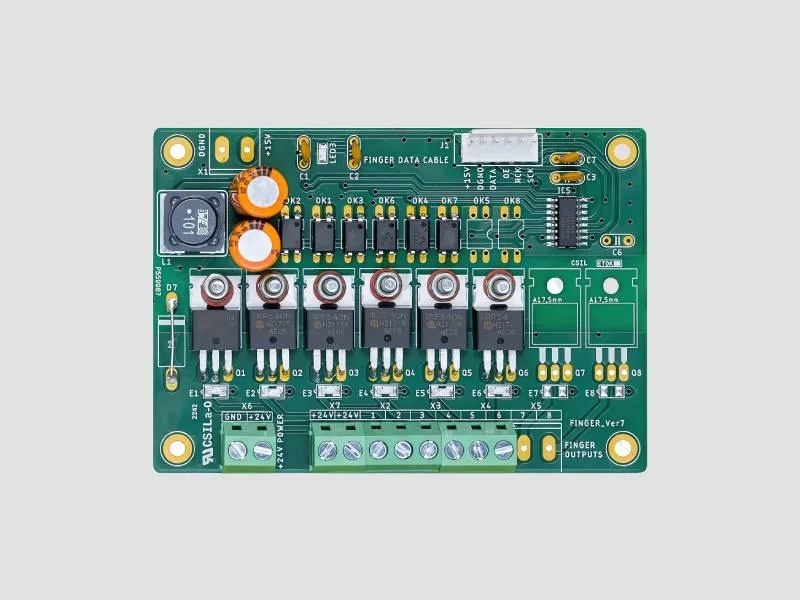
A Finger Board is a vital component used in electrical and industrial control systems. It is primarily employed for the safe and efficient distribution of electricity, serving as a connection point for various electrical circuits.
The Finger Board is an essential electrical component used in a range of industrial applications, such as control panels, distribution boards, and switchgear systems. It serves as a termination point for electrical cables, offering a secure and organized solution to connect various circuits within the system. Finger boards are designed to provide a safe interface for wires, ensuring that electrical connections are robust and able to handle high current loads without risk of failure. Finger boards are commonly made from durable materials such as high-quality copper or metal, which are chosen for their ability to withstand high temperatures and resist corrosion. These materials are often coated with insulating layers to prevent accidental contact with live parts, adding a layer of safety to the electrical system.
Cash,Cheque,Demand Draft,UPI, NEFT
Key Attributes
- Material High-grade metal or copper, with insulating coatings.
- Current Rating Varies based on the application, from low to high voltage.
- Size and Dimensions Customizable to fit specific electrical panels or enclosures.
- Safety Features Often includes protective covers or insulation to avoid accidental contact with live parts.
- Connection Type Provides multiple terminal points, often with bolt or screw connections for wire termination.
- Temperature Resistance Rated to withstand temperatures between -40°C to 85°C, with some options available for higher heat tolerances.
- Insulation Type Made with materials like PVC, thermoset plastic, or epoxy resin for added electrical insulation.
- Durability Resistant to corrosion and mechanical wear, suitable for harsh industrial environments and long-term use.
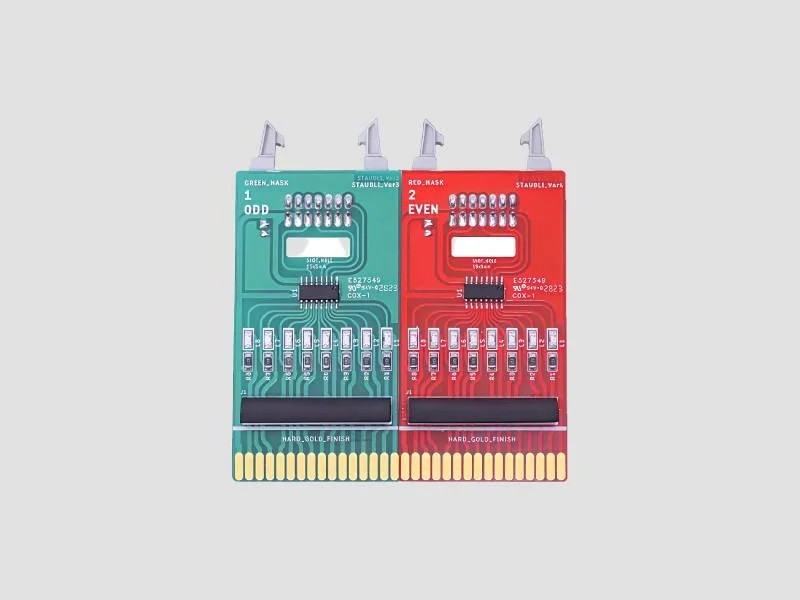
The Nano Ciel Card is a cutting-edge, compact technology designed to deliver high performance in a small form factor. Ideal for those who need power, efficiency, and portability.
The Nano Ciel Card redefines what compact technology can offer. Designed with the user in mind, this cutting-edge card is tailored for those who demand powerful performance in a sleek, portable design. Whether you’re a business professional or a tech enthusiast, the Nano Ciel Card is built to meet the diverse needs of modern users. From data management to fast processing speeds, it offers a versatile range of features that make it stand out in a crowded market. At the heart of its design is a high-performance processor that ensures smooth and fast operations, making it an excellent choice for resource-intensive tasks. Whether you’re transferring large files, running high-performance applications, or simply looking for a reliable solution to store data, the Nano Ciel Card provides impressive results with minimal power consumption. It’s engineered to work seamlessly across various devices and platforms, giving users the freedom to integrate it into their existing tech ecosystems.
Cash,Cheque,Demand Draft,UPI, NEFT
Key Attributes
- Processor Speed High-performance processing for fast operations
- RAM Sufficient memory for seamless multitasking
- Storage Capacity Options for high storage solutions
- Data Transfer Speed Ultra-fast data transfer rates
- Voltage Low power requirements for extended use
- Temperature Range Suitable for use in a wide range of temperatures
- Security Includes encrypted data protection technology
- Size Dimensions Ultra-compact for portability
- Weight Lightweight design for easy handling
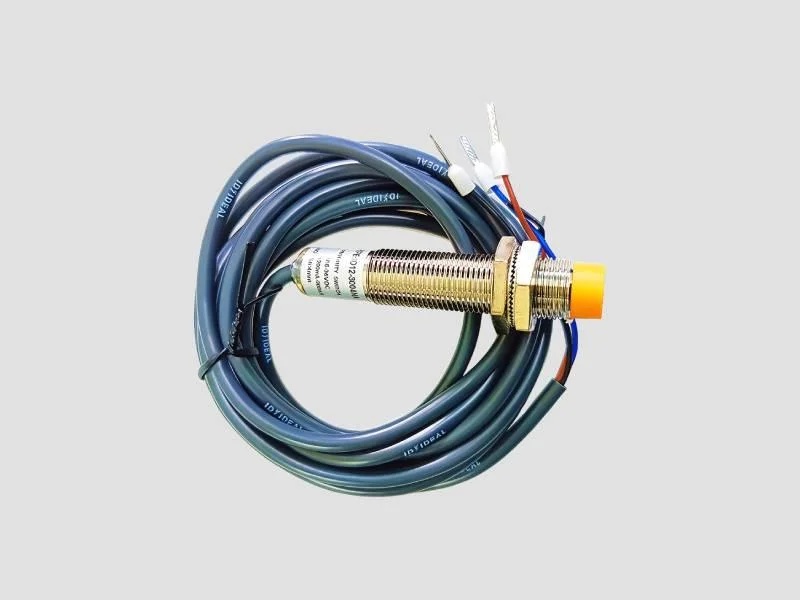
Proximity sensors are non-contact devices that detect the presence or absence of an object within a certain range. These sensors are designed to detect nearby objects without making physical contact.
The response time of a proximity sensor is also important, especially in applications where quick reactions are required, such as in industrial automation and safety systems. Proximity sensors often have a response time ranging from a few milliseconds to several seconds, depending on the application and the type of sensor. The operating temperature of a sensor is another key factor to consider, especially for applications in extreme environments. Most sensors can operate within a temperature range of -20°C to 85°C, though certain sensors may be designed for more extreme conditions. Material is another factor that can affect the performance and durability of proximity sensors, with sensors often being made from rugged metals or durable plastics to withstand harsh environments.
Cash,Cheque,Demand Draft,UPI, NEFT
Key Attributes
- Detection Range Ranges from a few millimeters to several meters, depending on the sensor's design and application.
- Sensing Technology Common types include capacitive, inductive, ultrasonic, and infrared technologies.
- Output Type Can be either digital (on/off) or analog (variable signal) depending on the sensor’s design
- Voltage Rating Typically ranges from 5V to 24V for most proximity sensors.
- Response Time Often ranges from a few milliseconds to several seconds, depending on the sensor type
- Operating Temperature Varies, but most sensors function between -20°C to 85°C.
- Material Usually made from robust metals or plastics that are resistant to harsh environments.
- Mounting Type May include threaded or non-threaded mounts depending on installation requirements.
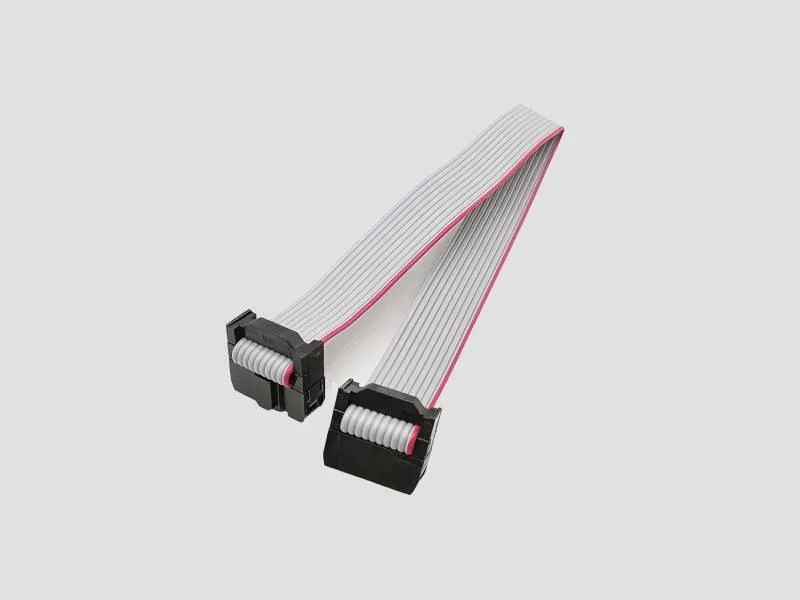
FRC (Flat Ribbon Cable) is widely used in modern electronics for its compact, flexible, and cost-effective design. Typically, FRC cables are employed for applications requiring efficient data transmission between various electronic components.
The conductor material of FRC cables is usually copper, providing excellent conductivity, and they are often insulated with materials like PVC, polyethylene, or Teflon to offer both durability and heat resistance. The small gauge of the conductors, typically 28 to 32 AWG, ensures high-speed data transfer and minimal interference. FRC cables are rated for voltages from 30V to 300V, and they are flexible enough to withstand bending without degradation of performance. These cables are crucial in applications like computer systems, embedded systems, and industrial equipment. FRC cables are often used in environments where space is limited but high performance is essential. They can come in shielded or unshielded variants, depending on the need for electromagnetic interference (EMI) protection. FRC cables are versatile and can be customized for different lengths, conductor counts, and insulation materials to suit specific application requirements.
Cash,Cheque,Demand Draft,UPI, NEFT
Key Attributes
- Conductor Material Typically copper or tinned copper for high conductivity.
- Insulation Material Polyethylene, PVC, or Teflon, designed for both durability and resistance to heat.
- Conductor Gauge Typically 28 to 32 AWG (American Wire Gauge).
- Number of Conductors Usually from 10 to 40 conductors depending on the application.
- Cable Length Available in various lengths, from a few centimeters to several meters.
- Voltage Rating Generally rated for 30V or 300V, depending on the cable's purpose.
- Shielding Type Shielded or unshielded based on the specific needs of electromagnetic interference protection.
- Color Commonly black or grey, but customizable for easy identification.